3 Ağustos 2018 Cuma

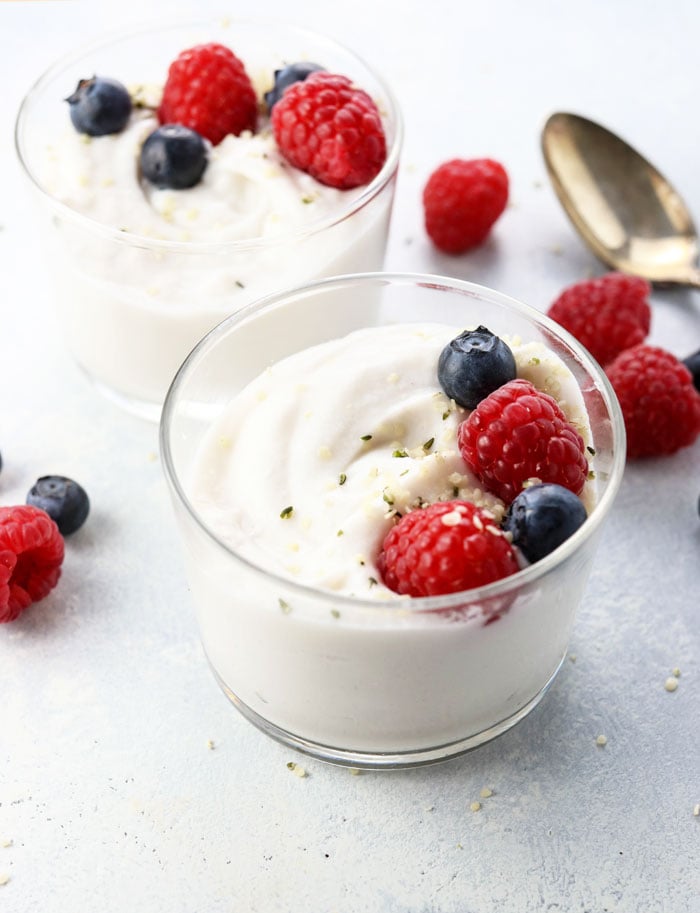
Mediterranean Diet Chocolate Mousse with Berries

                                  Chocolate Mousse with Berries ile ilgili görsel sonucu

Mediterranean Diet Chocolate Mousse with Berries, Fresh Berries and Mango Mousse

N° Servings: Serves 4. 1 cup per serving.

Difficulty: Easy - Ready In: 5 Min.
Category: Dessert

Ingredients & Directions:


1 box (12 ounces) silken tofu or Greek Yogurt
1/3 cup brown sugar
1/4 cup cocoa powder
2 cups assorted berries: sliced strawberries,
raspberries, blueberries, etc.
nonfat whipped cream

Puree tofu, sugar and cocoa powder in a food processor. Divide between four tall stemmed glasses. Refrigerate until ready to serve or proceed to next step right away.

Mash berries in bowl and divide among four glasses,placing them on top of the chocolate mousse.
Top each glass with about 2 tablespoons of nonfat whipped cream.


Optional garnish: dust the top of the whipped cream with cocoa powder.

Nutritional Facts x Serving:


Calories: 159
Carbs: 25.6 g
Fiber: 3.202 g
Sugar: 20.61 g
Protein: 7.404 g
Fat: 3.39 g
Sat. Fat: 0.92 g
Cholesterol: 1 mg
Sodium: 35 mg


Fresh Berries and Mango Mousse

Fresh Berries and Mango Mousse ile ilgili görsel sonucu

N° Servings: Serves 4 - 1-1/2 cups per serving.
Difficulty: Easy - Ready In: 5 Min.
Category: Dessert

Ingredients & Directions:

1 ripe mango
1-10 ounce box silken light tofu or Greek yogurt
1/4 cup powdered sugar
4 cups fresh assorted berries

Peel and cut the mango. Puree the mango in a food processor or blender. Add tofu and sugar and blend until smooth.

Layer Mango Mousse with berries in a tall, stemmed glass or put in small bowl and use as dip for fresh berries.

Nutritional Facts x Serving:

Calories: 150
Carbs: 28 g
Fiber: 4 g
Sugar: 16 g
Protein: 6 g
Fat: 1.5 g
Sat. Fat: 0 g
Cholesterol: 0 mg
Sodium: 70 mg

31 Temmuz 2018 Salı

Mediterranean Diet How to Use the Recipes


The recipes for the 7-day meal plan were chosen to represent a typical week on the Mediterranean island of Crete. You should be able to find all the ingredients in most supermarkets.


Olive Oil: You will notice that some of the recipes call for up to a cup of extra virgin olive oil. When I was researching on the island I found some recipes with up to two cups of olive oil. Yet the inhabitants had the lowest rates of heart disease in the world! A diet high in the right types of fats is not only delicious, but healthy! I recommend trying the recipes and seeing how you feel. Since most of what you will be eating on the Mediterranean diet is low calorie vegetables, and because healthy fats help you feel full, you will probably find yourself eating less and losing weight.

Calories: There is no calorie counting in the Mediterranean. The Mediterranean way is about celebrating food, family and community. Counting calories is a large part of what has made many of us in the U.S. “crazy” around food. Giving it up returns us to truly enjoying what we eat. For these reasons there are no calories listed for the recipes.

Breakfast: The breakfast suggestions we have included follow the basic guidelines of eating Mediterranean and are quick and simple for the person on the run. Most of the breakfast ideas are so simple that we don’t give specific recipes. What you want to stay away from is highly processed foods such as sugary cereals, bagels, doughnuts, and heavily sweetened (and fattened) coffee drinks

Coffee: Coffee is enjoyed throughout the Mediterranean. For most, coffee is a healthy drink as long as lots of sugar and processed creams are not added

Herbal Teas: Mountain Teas: One time while I was in Crete I caught a cold. I wanted to get some kind of cold medicine so I headed down to the local market. When I told the clerk my symptoms he pulled a bag of dried herbs from under the counter and told me to make a tea out of it. It turned out to be an herb called “diktamos”. I made the tea, went to bed, and woke up the next morning feeling much better. There is a long history in Crete of medicinal teas, which are used for everything from digestion to mental clarity, as well as their antimicrobial and antiviral properties.

mediterranean diet ile ilgili görsel sonucu

Here are a few examples of teas that are enjoyed in the Mediterranean:

Mint Tea - Helps with digestion, coughs, and bad breath. Mint tea may also help with mental clarity and relaxation.

Green Tea - Packed with antioxidants, green tea has been shown to decrease the risk of congestive heart failure, lower blood pressure, and stabilize blood sugar levels in diabetics. Potentially helpful in reducing cancer cell growth, reducing the risk of Alzheimer’s, and increasing brain function.

Chamomile Tea – Decreases anxiety, reduces inflammation, and may help to fight off cancer.

Oregano Tea - Helps with digestion, especially after heavy meals.

Wine: The inhabitants of Crete are famous for their consumption of red wine and a moonshine drink called “Raki”. Wine is consumed every day, usually with lunch and dinner. It is almost always consumed with food. As with most everything else, the wine is organic and local. It also has none of the sulfites and additives that are in most wines bought in stores. Any type of alcohol will increase your “good” HDL cholesterol, but there is a substance in red wine (Resveratrol) that may also help decrease the “bad” LDL and reduce blood clots. Obviously, if you have any issues with alcohol, then we don’t recommend you start drinking. If you do like wine, then you should drink it in small amounts (no more than a glass or two) with a meal.

Desserts: The dessert of choice in Crete is fresh fruit. Occasionally there is baklava (a very small amount) or a cookie (made with extra virgin olive oil), but the majority of the time it’s an apple, orange, or grapefruit.

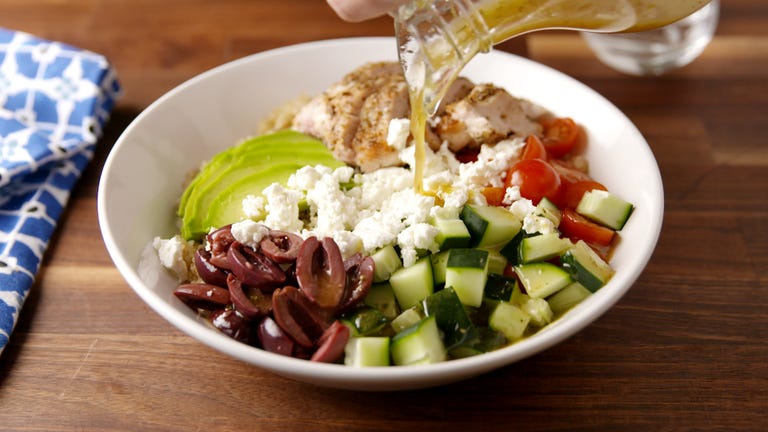
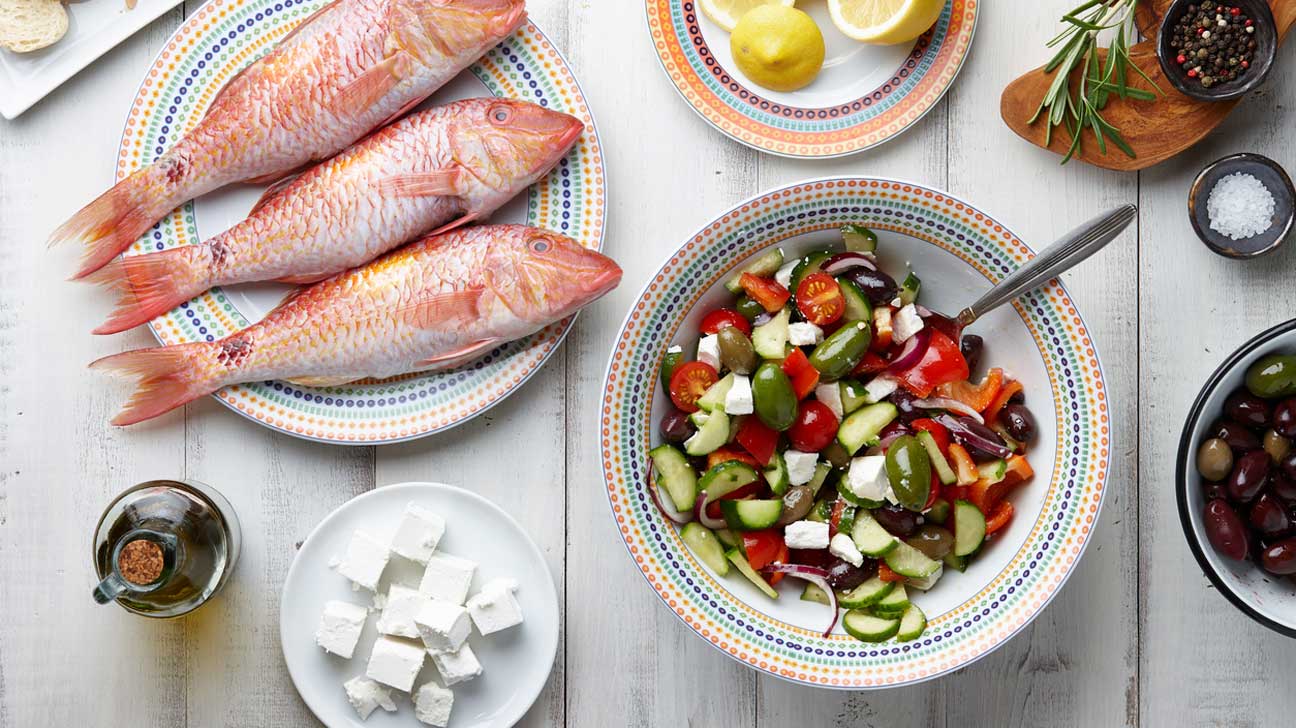
Salads: Salads are eaten often on the Island of Crete either as a main meal, side dish, or a snack. Feel free to add or substitute a salad for any of the meals in the 7-Day Mediterranean Diet Meal P7lan. Below is my take on a traditional Greek salad, and a few of my favorite dressings which you can use on a simple salad. These dressings are very flavorful. Consider adding them to your repertoire and use instead of store bought dressings.

Crunchy Greek Salad 
2 large carrots, cut into small pieces
1/2 red onion, thinly sliced
1 red pepper, cut into bite-sized pieces
1 large cucumber, peeled and sliced
1 tomato, cut into bite-sized pieces
3-4 sprigs parsley, stems removed
1/2 cup pitted Kalamata olives
1/2 cup olive oil
Juice of 1 lemon
4 ounces feta cheese
Salt and pepper, to taste

1. Mix all vegetables in a bowl with olive oil and lemon juice.
2. Top with crumbled feta cheese. Toss with salad

Serves 4 as main dish salad
Serves 6 as side salad


Dressings:


Dijon Balsamic Vinaigrette

1 cup extra virgin olive oil 
1/3 cup balsamic vinegar 
1 tablespoon Dijon mustard
2 tablespoons honey
1/4 teaspoon oregano 
Salt and pepper, to taste


1. Mix all ingredients in a bowl and whisk for about 2 minutes until mixture begins to thicken. 
2. Pour dressing into a jar. Refrigerate for at least 1 hour before serving

Lemon Parmesan Dressing

1/4 cup lemon juice
1 cup extra virgin olive oil
1/2 cup grated parmesan cheese
2 teaspoons Dijon mustard
1 teaspoon dried dill
2 cloves garlic, pressed through garlic press
Salt and pepper, to taste

1. Mix all ingredients in a bowl and whisk for about 2 minutes until mixture begins to thicken. 
2. Pour dressing into a jar. Refrigerate for at least 1 hour before serving

mediterranean diet ile ilgili görsel sonucu

Lunch and Dinner 


In Crete, the same meal is usually eaten both at lunch and dinner. My suggestion is to cook a recipe for dinner and then have the leftovers for lunch the next day.

 If, when you look through the recipes, you see something that doesn’t appeal to you, I recommend two possibilities: 1) Give it a try anyway. Recipes from Crete are quite different than what you are probably used to. You might find you like what you think you won’t! 2) Feel free to substitute. We have given you recipes for 3 extra meals. You can substitute these for meals on the plan if you like. Or, if there is a recipe you really enjoyed, you can always make it again!

28 Temmuz 2018 Cumartesi

3 Day Mediterranean Meal Plan


Before we get started with the meal plan, we’d like to grab your attention on some notes to maximize
the benefits of the meal plan.
Fruit – Nuts – Seeds: The meal plan below does not indicate exactly what fruit, nut or seed to eat. It
mentions only the name “1 Medium fruit” or “11 kernels nuts” for example. You are free to choose the foods marked with a from the Mediterranean diet food list above.


Beverages: The meal plan does not indicate any beverage. This mean you can drink any beverage in the group “Drinks & Beverages” marked with a whenever you like.
We have added an optional glass of red wine for each dinner (Wine calorie amount has not been
included in the overall daily calories count).

Other Ingredients: In case you find some ingredients you don’t like, you can get a great alternative in
the food list above, just be sure to choose an ingredient marked with a .

Shopping Lists: The 28 day meal plan contains 109 different recipes and 4 grocery shopping lists (1 per week). The shopping list and the recipes themselves provide average guidance for 2 or 4 people
following the plan together. You may want to adjust the quantities for your specific needs. Hopefully this allows more flexibility for your plan.

Meal Day: 1 (Total 1596 Calorie)

Breakfast: 663 Cal.

1 Serv. French Toast with Berries 324 Calorie
1 Serv. Sunrise Smoothie 339 Calorie

Lunch: 400 Cal.

1 Serv. Peanut Banana Finger Sandwiches 300 Calorie
1 Medium Fruit 100 Calorie

Snack 177 Cal.

1 Serv. Apple Dip 177 Calorie

Dinner: 356 Cal.

1 Serv. Chili Rice Pot  197 Calorie
Dessert: 1 Serv. Chocolate Mousse with Berries 159 Calorie
[Optional] 5 fl oz Red Wine 125 Calorie


Meal Day: 2 (Total 1612 Calorie)

Breakfast: 450 Cal. 

1 Serv. Oatmeal & Raisins  319 Calorie
1 Serv. Frosty Fruit Smoothie 131 Calorie

Lunch: 480 Cal.

2 Serv. Summertime Chicken Salad 280 Cal.
3x Regular Sized Slices Multigrain Bread 200 Cal.

Snack 151 Cal.

1 Serv. Frozen Bananas 151 Cal.

Dinner: 531 Cal.

1 Serv. Black Beans and Rice (View) 381 Cal.
Dessert: 1 Serv. Fresh Berries and Mango Mousse (View) 150 Cal.
[Optional] 5 fl oz Red Wine 125 Cal.


Meal Day: 3 (Total 1612 Calorie)

Breakfast: 550 Cal.

1 Serv. Banana Waffles 302 Cal.
1 Serv. Ice Cream Sundae Smoothie 248 Cal.

Lunch: 410 Cal.

1 Serv. Salmon Salad Sandwich 310 Cal.
1 Medium Fruit 100 Cal.

Snack 150 Cal.

1 Serv. Frozen Fruit Pop Cups 150 Cal.

Dinner: 450 Cal.

1 Serv. Gold Broccoli Potato 350 Cal.
Dessert: 1 Serv. Frosty Fruit Sundae  100 Cal.
[Optional] 5 fl oz Red Wine 125 Cal.


The Mediterranean Diet Food List

mediterranean diet ile ilgili görsel sonucu
The Mediterranean Diet Food ListThe body mass index also tells you precisely nothing about where the extra fat is located in the body. When it comes to measuring health risks, in particular cardiovascular disease, it’s fat location (especially if it’s around your belly) that is much more effective than the overall amount of body fat. Other common mistakes are eating on large plates and bowls, making too large portions, overeating red meat, chicken skin, snacks, refined carbs or sugar.

Food List Index:

Fruits :

  • Sweets & Sweeteners
  • Milk & Dairy
  • Herbs, Spices & Condiments
Dried Fruits :
  • Drinks & Beverages
  • Meat & Fish
  • Frozen
  • Foods
  • Grains
  • Beans & Legumes Oils
  • Snacks & Bakery
  • Vegetables Nuts & Seeds
Food :

Apples :Buy organic, they may contain pesticides - Antioxidant, Rich in fiber
Apricots : Antioxidant
Avocado: Rich in healthy fats and B vitamins
Banana :Good for Blood Pressure, Rich in fiber, Prebiotic
Blueberries:Do not store in the fridge for over 3 days. Wash them before consuming. Buy in season. - Antioxidant, Prevent Cognitive Damages
Cantaloupe :Antioxidant, OK for Blood Pressure
Cherries :Buy organic, they may contain pesticides - Anti Inflammatory, Antioxidant Contains Folic Acid
Grapes : Do not store in the fridge for over 3 days. Wash them right before consuming. Buy in season. - Anti Inflammatory, Antioxidant rich in Resveratrol, Prevent Cognitive Damages
Oranges (Lemons, Lime, Grapefruit, Citrus, Tangerine) : Do not store in the fridge over 3 days. Wash them right before consuming. Buy in season. Buy local. Raw is good for salads. - Antioxidant, Good for Blood Pressure, Anti Inflammatory, Good for Cholesterol
Peaches : Do not store in the fridge for over 3 days. Wash them right before consuming. Buy in season. Buy local. Raw is good for salads. Buy organic, they may contain pesticides.
Pears : Buy organic, they may contain pesticides
Strawberries : Buy organic, they may contain pesticides - Antioxidant, Rich in Calcium and
Iron
Watermelon:Do not store in the fridge for over 3 days. Wash them right before consuming. Buy in season. Buy local. Raw is good for salads.

Grains:
Barley :Simmer 10-12 min. - Antioxidant, Metabolism Booster, Good for cholesterol, Prebiotic
Basmati Rice : Don't eat.
Breakfast Cereals :  Watch the ingredients list and avoid those with sugar added - May contain too
much sugar.


The Basic Principles of Weight Loss in the Mediterranean Diet

mediterranean diet ile ilgili görsel sonucuPeople want to lose weight for a number of different reasons. Both women and men want to feel better and be healthier, and they know that a slim and attractive physique is one of the rewards for living well. The Mediterranean diet can help people to accomplish that goal regardless of age
How Does the Diet Help with Weight Loss?

The Mediterranean diet is a lifestyle change, not simply a diet that you will want to go on for a month or two. Changing your lifestyle and sticking to it are the best ways that you can lose weight and keep it off. Portion control, along with a reduction of fats in the diet, elimination of processed and unhealthy foods,and the intake of quality, natural foods are key ingredients in a healthy lifestyle and the cornerstone of the Mediterranean diet. All of the little changes that you make will be able to help you with your weight loss goals. When you add exercise into the mix, you are able to increase your caloric expenditure each day, thus letting you lose weight faster in most cases. Adding exercise can be a huge boost for those who want to drop some pounds. Of course, you should always consult your physician to make sure that you are healthy enough for exercise.

mediterranean diet ile ilgili görsel sonucu

Most Common Mistakes

Probably the most common mistake people make is to be enthusiastic and / or impatient with their
weight loss plan. They may reduce their calories too much and the body will respond by reducing
metabolism and slowing down weight loss. To avoid this, make smaller changes to your diet plan. Your patience will probably pay off in terms of constant fat loss, more vitality, and fewer food cravings.Counting calories excessively is another mistake. It’s your body that ultimately decides how many calories to use and what to do with them. Weighting every day or several times a day has little value because your body weight may vary. On a weight loss diet, you can even gain weight (or keep it) but still lose some fat (e.g. You’ve built muscle mass with exercise). Don’t be stressed by calorie counting or complicated calculations like the BMI (Body Mass Index). Even though we can easily reduce our calorie consumption, it’s your body that ultimately decides how many calories to use and what to do with this extra energy. Consequently limiting our calorie consumption will have a short-term impact on the body weight. Body mass index isn’t a safe way of diagnosing over weight or obesity. It’s because body weight is not a definitive way of measuring your risk. It’s having a high percentage of extra fat that makes someone over weight. For example, a “big boned” person may weigh more, but that obviously does not mean he has more fat.

27 Temmuz 2018 Cuma

Mediterranean Diet Salad Recipe

akdeniz salatası ile ilgili görsel sonucu

Mediterranean Diet Salad Recipe Clean out your pantry; throw away highly processed foods. Reduce red meat; replace with fish and poultry. Try fruit instead of sweets for dessert.Slowly add more fruits and vegetables into every meal (see Sample Recipes). Use olive oil, herbs, and spices for flavor instead of salt and butter. Drink water for lunch instead of soda.Start eating plant-based foods 80% of the time. Grab a handful of nuts or fruit for a snack.Limit your dairy to low-fat milk, yogurt, and cheese. Prefer brown rice and whole-grain bread.


Ingredients: 


  • 4 cups salad greens
  • 2 medium tomatoes, chopped
  • 3 medium cucumbers, chopped
  • 1/2 red or purple onion, sliced
  • 8 ounces feta cheese
Vinaigrette:

  •  ½ cup sun-dried tomatoes, packed in oil
  • 2 tablespoons balsamic vinegar
Instructions: 

  1. Layer salad greens, tomatoes, cucumber, onion, and feta cheese onto serving platter or in a bowl.
  2. Drain the sun-dried tomatoes, reserving ½ cup of the oil.
  3. Blend tomatoes, reserved oil, and vinegar in a blender, then lightly pour the vinaigrette over the salad before serving.
Makes 4–6 servings

How to Make Mediterranean Diet


The Mediterranean Diet

Based on how people eat and drink in the 16 countries that border the Mediterranean Sea, this healthy eating plan can reduce your risk of developing heart disease, cancer, high blood pressure, type 2 diabetes, Parkinson’s disease, and Alzheimer’s disease.

The Mediterranean Diet is:

• Natural: Focus on minimally processed foods — less than 5 ingredients in any packaged item. 
• Flexible: Plan for variety — eat different foods each week to make this diet work for you AND your family. 
• Lower Cost: Save money at the grocery store by buying less red meat, refined grains, desserts, and fast food each month. 
• A Healthy Lifestyle: Be fit and energetic; reduce your risk of disease, and have fun!


What’s for Breakfast?


Most mornings, start your day with oatmeal and fruit or whole-grain toast and low-fat yogurt with berries. Choose fresh fruit instead of fruit juice

Three to four mornings a week, enjoy some eggs. Experiment with poached eggs over whole-wheat toast or maybe a bean and low-fat cheese burrito.

Only a couple times a month, splurge with sausage and whole-grain waffles or bacon and eggs. Try low-fat turkey sausage or bacon, and top your waffle with fruit and sugar-free syrup.

What’s for Lunch? 


Most days, try different kinds of salads. Add black beans or chickpeas, cooked shrimp or salmon, and olive oil and vinegar dressing. Snack on fruit, nuts, or fresh carrots and snap peas.

A couple times a week, have a piece of grilled chicken or a turkey sandwich on whole-wheat bread. Add tomatoes, lettuce, and avocado to your sandwich. Enjoy some low-fat cottage cheese with fruit.

A couple times a month, order that hamburger you’ve been craving, but pass on the cheese. Substitute fruit or salad for the fries. For dessert, try angel food cake with fresh fruit or frozen low-fat yogurt.

What’s for Dinner?


Most evenings, fill your plate with vegetables that are steamed, roasted, or sautéed in a little olive oil with herbs and spices. Add beans, lentils, brown rice, or whole-grain pasta. If you enjoy red wine, have 1 glass with your meal.

A couple times a week, fill half your plate with vegetables, and add some chicken or fish and brown rice or quinoa. Enjoy some fruit for dessert.

A couple times a month, add roast beef, lamb chop, or pork tenderloin and barley to your half plate of vegetables. For a treat, fix fruit-based desserts like a low-sugar cobbler or berries with low-fat topping.


Mediterranean Diet Foods

People who live in the area around the Mediterranean Sea have a lower risk of heart disease. Researchers have recently shown that following a Mediterranean diet decreases heart disease by 30% in people whom are at-risk.


This lifestyle is built upon daily exercise along with a lot of fruit, vegetables, plant-based proteins, whole grains, fish and smaller amounts of poultry and red meat. Fatty fish (salmon), olive oil, and nuts make this diet higher in fat than the classic “heart healthy diet.” These fats are mostly unsaturated, and when consumed in place of saturated fat, are good for the heart. The pyramid above and the chart on the next page describe the types of food and serving sizes in this heart healthy meal plan.


Physical Activity- The Mediterranean Diet pyramid is built upon daily physical activity and exercise. Aim for at least 150 minutes of moderate to vigorous exercise every week. Moderate-to-vigorous exercises include walking at a brisk pace, biking, or swimming, among other activities that elevate your heart rate. Always choose activities that you enjoy and that are safe, in order to be active throughout your life


Achieve and Maintain a Healthy Weight – The high fat content of the Mediterranean is healthy for your heart, but may lead to increased energy intake and weight gain if you don’t pay attention to how much you are eating. If you are trying to lose weight,Mediterranean Diet Foods choose the smaller number of servings from each food group, and try to make your serving sizes match those listed.


26 Temmuz 2018 Perşembe

What is the Mediterranean Diet Menu

mediterranean diet ile ilgili görsel sonucuWhat is the Mediterranean Diet?

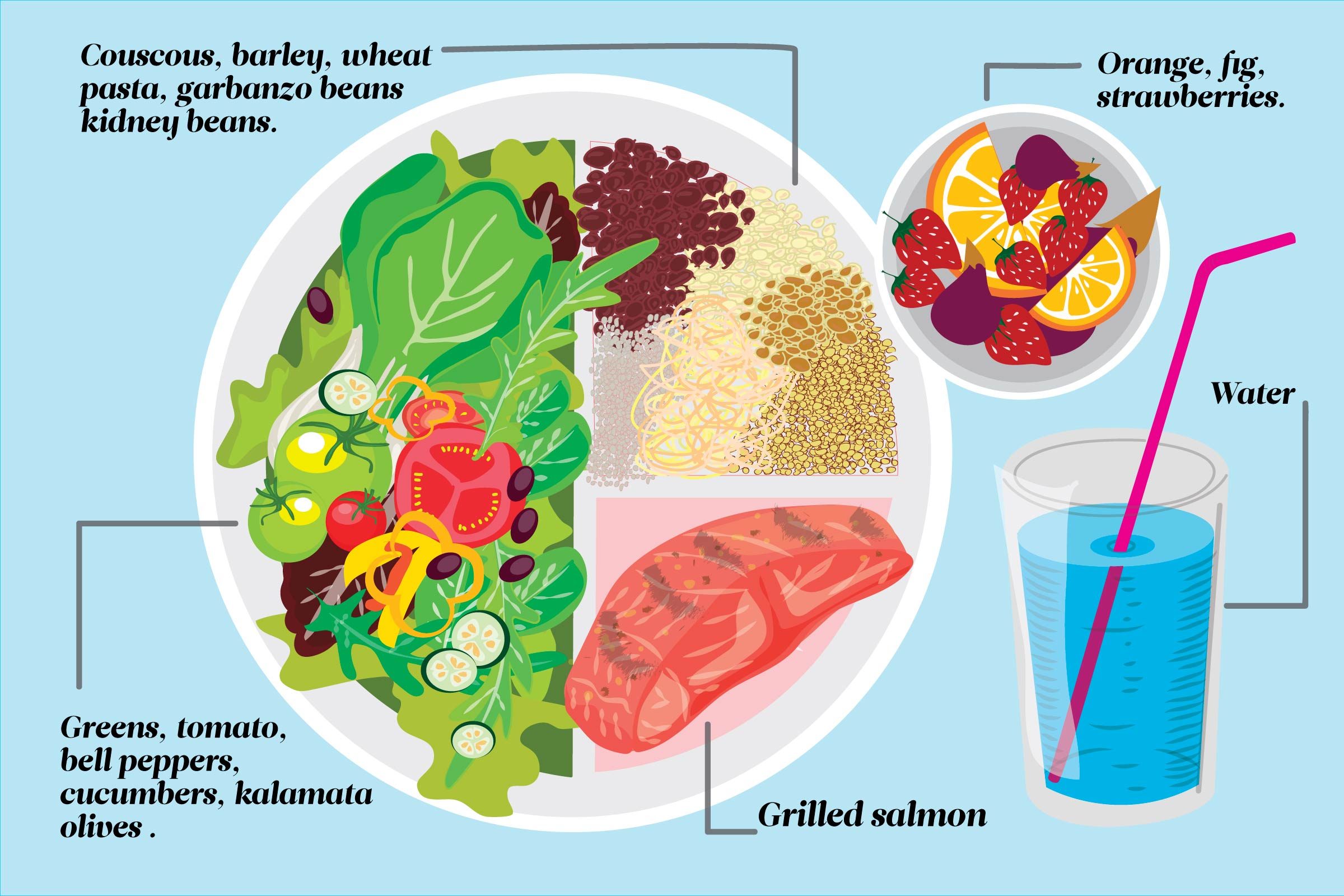
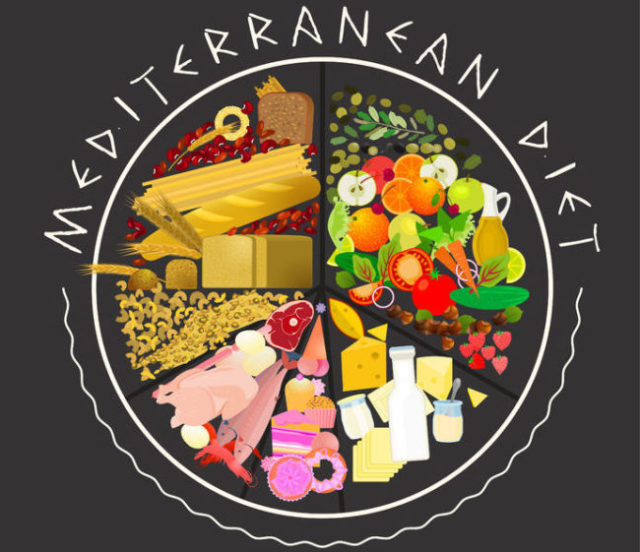
Diet? The Mediterranean Diet, sometimes referred to as the ‘Greek Mediterranean Diet’ or ‘Mediterranean Diet Plan,’ is a diet in the sense that it describes a dietary pattern characteristic of those living in regions around the Mediterranean Sea. Although it is called a ‘diet’, the Mediterranean Diet is not about cutting calories and restricting foods like many popular diet trends in America today. Instead, it is a way of life that involves enjoying a wide variety of whole, nourishing foods with friends and family, as well as practicing an active lifestyle. This pattern was initially brought to the public’s attention by Ancel Keys in his Seven Countries Study published in 1970. This landmark study was based on the observation that residents in regions around the Mediterranean Sea had the lowest rates of coronary heart disease (CHD) of any region studied. Figure 1 serves as an example of how components of the Mediterranean Diet can fit into a healthy lifestyle.


Characteristics of the Mediterranean Diet include:

 • Whole grains, which include all parts of the grain; the bran, endosperm, and germ. Each of these parts has healthful nutrients, which are lost or reduced when they are refined into products such as white flour;

 • A wide variety of vegetables and fruits, often eaten seasonally and locally;

• Legumes, nuts, and seeds as the main plant-based source of protein in the diet;

 • Olive oil as the main source of fat, which replaces less-healthful fats such as butter;

 • Seafood, poultry, and eggs are consumed more often than other meats;

• Moderate amounts of dairy, mostly as yogurt and cheese, consumed a few times a week;

• Red wine, consumed moderately with meals;

• Physical activity - at least 30 minutes a day on most days of the week;

• Plenty of water to stay hydrated;

• Fresh herbs and spices; added to dishes for flavor and color in instead of excess salt.


The Mediterranean Diet is appropriate for all ages. Whether young or old, the Mediterranean Diet can be adopted to fit one’s lifestyle. In fact, children who are introduced to a wide variety of nutritious foods and physical activity early in life are more likely to continue to enjoy and practice healthful habits throughout their lives. See Table 1 for a list of foods common to the Mediterranean Diet.

Benefits of the Mediterranean Diet for Long-term Health

Multiple observational studies conducted in Europe and the United States showed that adherence to the Mediterranean Diet was associated with a reduced risk for various diseases and overall mortality. In fact, the more closely the Mediterranean Diet was followed the lower the incidence of certain diseases, including:

 • Cancer

• Cardiovascular Disease

• Metabolic Syndrome

• Alzheimer’s Disease

• Parkinson’s Disease


Research concerning the Mediterranean Diet continue to support its health benefits. Most recently, researchers conducted a large study in Spain investigating the Mediterranean diet and its relationship to cardiovascular disease. They found that participants who were at high cardiovascular risk and who followed a recommended Mediterranean diet had a 30% reduced risk of having a cardiovascular event relative to those who followed a recommended lowfat diet.


• Legumes are a good source of protein, minerals, fiber, complex carbohydrate, and polyunsaturated fatty acids. Findings suggest that increased consumption of legumes is associated with reduced risk for CHD, obesity, type 2 diabetes, and some cancers.

• Seafood and Olive Oil are both excellent sources of the hearthealthy monounsaturated fatty acids (MUFAs) and low in saturated fat. Research shows that MUFAs increase HDL (good) cholesterol, which acts as an additional protective mechanism against CHD. Olive oil possesses antiinflammatory, antioxidant and anti-clotting properties. Seafood, especially fatty fish such as salmon, tuna, and sardines, are an excellent source of the omega-3 fatty acids EPA and DHA. The health benefits associated with omega-3 fatty acids include reduced risk for heart attack and stroke. For more information on the benefits of omega-3 fatty acids, see fact sheet Omega-3 Fatty Acids


Keep it simple: Following the diet doesn’t need to include Greek artisan breads, expensive olive oil, or an aged bottle of wine. Many of the foods that are part of the Mediterranean Diet can be found at most grocery stores. Some tips to consider at the grocery store: • Try choosing more fruits and vegetables than other items; • Select breads with whole-grain or whole-wheat as the first ingredient listed on the food label;

 • Try the whole-wheat pasta or brown rice instead of white;

 • Choose extra virgin olive oil when considering oils or fats for cooking;

 • If choosing wine, any bottle of red will do, even lower cost bottles have the same health benefits


Fish options: Fresh fish can often be expensive and hard to get in some areas. Fresh- caught frozen fish may be more available and sometimes less expensive. Canned fish is a good alternative for those on a budget or who don’t have access to fresh or frozen fish. Try canned tuna or salmon. If opting for fresh or frozen fish, there is a variety to choose from and the price ranges vary. When possible, choose fatty fish like salmon or tuna for a good source of omega-3 fatty acids.


25 Temmuz 2018 Çarşamba

What is the Mediterranean Diet


Choosing a diet similar to one eaten by people living around the Mediterranean Sea may lower the risk of cardiovascular disease and have additional health benefits. The diet is mostly plant-based with high amounts of fresh vegetables, fruits, nuts, dried beans, olive oil, and fish. Follow these tips to eat the Mediterranean way!


Sample Menu

Breakfast

1 cup Greek yogurt with ¾ cup berries or fresh fruit and ¼ cup walnuts 1 slice whole wheat toast with ¼ cup mashed avocado or 2 teaspoons natural nut butter Coffee or tea

 Lunch 

1 cup lentil or minestrone soup
1 whole wheat pita
2 Tablespoon hummus
1/2 cup tomatoes, 1/2 cup cucumber with 2 Tablespoons olive oil, balsamic vinegar, and basil
Water with lemon wedge
1 apple, peach, or orange

 Snack

1 ounce low-fat mozzarella cheese and 15 grapes

Dinner

 3-4 ounces broiled fish brushed with olive oil, seasoned with lemon and dill
1 cup brown rice, cooked
1 cup steamed carrots
 1-2 cups baby spinach and arugula salad with 2 Tablespoons olive oil vinaigrette dressing
Decaf green tea or 5 ounce wine (if cleared by medical team)

Snack 

1 ounce dark chocolate

 Nutrition Information: 2200 calories (8% saturated fat, 11% polyunsaturated fat, 19% Monounsaturated fat), 43 grams fiber. 4 Tablespoons olive oil each day provides 480 of 2200 calories.What is the Mediterranean Diet

Mediterranean Diet and Olive Oil

olive oil ile ilgili görsel sonucu


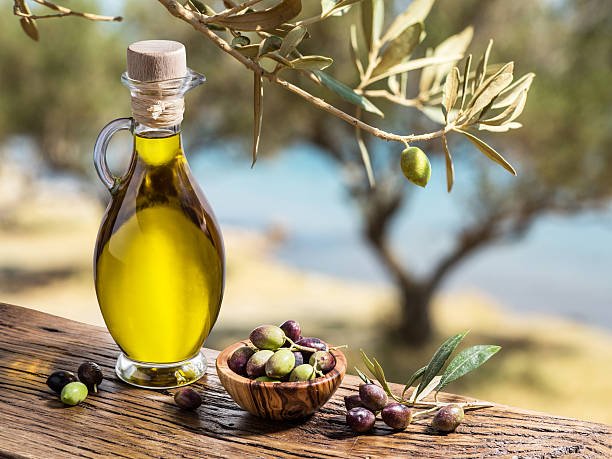
Olive oil has been the hallmark of the healthy Mediterranean Diet for over 2,500 years. It adds vibrant flavors and textures to Mediterranean foods and is high in healthy, monounsaturated fats along with antioxidants. Simply drizzle it on cooked fish or vegetables, or use it as a dip for bread. Vegetables roasted, grilled, or sautéed in olive oil are simply tastier – so you’ll find yourself eating more of them!

Olive Oil Flavors

Olives are the fruit of the olive tree. Soon after being picked, they’re cleaned in a water bath and then crushed into a mash. This mash has three unique parts: olive solids, olive water, and olive oil. First, the Olive Oil olive solids are separated. Next, the olive water and oil are quickly separated to keep the olive water from changing the oil’s taste and odor. Finally, the oil is bottled. The best quality olive oils are obtained from the first pressing of the olives and are “cold pressed.” This means they’re not heated during the pressing process. Heating produces larger amounts of oil, but decreases important flavor and healthy compounds, including flavenols and polyphenols, abundant in extra-virgin olive oil.

olive oil ile ilgili görsel sonucu

Buying and Storing


The four foes of olive oil are age, heat, air, and light. When you buy olive oil, make sure it is no more than 18 months old. (Look at the bottling date on the label.) At home, store olive oil in a cool, dark place.


Sauteing with Olive Oil 


There’s no better way to bring out the flavor of vegetables and seafood than sautéing. It’s an easy, healthy way to prepare your favorite dishes. To sauté, pour olive oil into a cold skillet or sauté pan and heat over low heat. When the oil is heated through, add the food item. Stir, toss, or turn until cooked and enjoy!

Baking with Olive Oil

Mediterranean Diet Baking with olive oil, instead of butter, cuts the amount of cholesterol and saturated fat in your favorite recipes. Olive oil produces lighter-tasting breads, brownies, biscotti, and cakes. Even more good news – You need less olive oil than butter when baking! See chart on next page.

olive oil ile ilgili görsel sonucu

Mediterranean Diet Meals

Organize your kitchen and pantry shelves to have the important staples of the Mediterranean Diet within easy reach. Keep a variety of choices from the following key ingredients on hand so you can always make a healthy meal.
mediterranean diet ile ilgili görsel sonucu


In The Pantry 

  • Beans: Chickpeas, cannellini, fava, and kidney beans; lentils. 
  • Breads: Bread crumbs, foccaccia, lavash, pita, and other breads (mostly whole grain).
  • Canned Seafood: Anchovies, clams, salmon, sardines, tuna.
  • Capers: Once opened, they will keep in the refrigerator for up to six months. 
  • Cereals: Oatmeal, plus other hot or cold cereals. The best choices list the first ingredient as whole grain, provide at least 3 grams of fiber and no more than 8 grams of sugar per serving.
  • Crackers: Look for labels that list a whole grain ingredient first, and that provide 2–3 grams of fiber per serving.
  • Dried Fruit: Apricots, blueberries, cherries, cranberries, figs, raisins, prunes. 
  • Garlic: Keep a head or two within easy reach. Or, buy peeled garlic cloves and store in the refrigerator
  • Grains: Bulgur, couscous, farro, millet, oats, polenta, rice, quinoa. 
  • Herbs and Spices: Basil, bay leaves, black pepper, cinnamon, cloves, coriander, crushed red pepper, cumin, curry powder, dill, garlic powder, ginger, oregano, paprika, rosemary, saffron, sage, thyme, turmeric, or blends like Italian seasoning.
  • Honey
  • Nuts: Almonds, hazelnuts, peanuts, pine nuts, pistachios, walnuts 
  • Oil: Extra-virgin olive oil, grapeseed oil, peanut oil
  • Olives: (all types)
  • Pastas: (all types, including whole grain)
  • Potatoes
  • Red Wine
  • Salt: Kosher, sea and iodized
  • Seeds: Fennel, flax, sesame, sunflower
  • Tomatoes: Canned, paste, sauce, sundried
  • Vinegars: Balsamic, champagne, cider, fig, red wine, white wine,Mediterranean Diet Meals
mediterranean diet ile ilgili görsel sonucu
On The Counter 

  • Fresh Fruit ~ Avocados, apricots, cherries, clementines, figs, grapefruit, lemons, limes, oranges, melons, nectarines, dates, bananas, plums, apples, peaches, pears, pomegranates, and/or tangerines. These fruits keep best at room temperature. 
  • Tomatoes ~ Store fresh tomatoes at room temperature.
  • Olive oil ~ Keep an olive oil dispenser near your stovetop, and store the rest in a cool, dark place.
In The Refrigerator 
Cheese (soft and hard varieties),Eggs ,Fruit (berries, grapes), Poultry Hummus and other Med dips, Milk, Mustard, Pesto, Pickles, Tapenade, Vegetables (a variety, plus salad greens), White and Sparkling Wine ,Yogurt

In The Freezer 
Frozen Fruit ,Frozen Poultry and Meat, Frozen Seafood ,Frozen Vegetables, Frozen Chicken Stock ,Sorbet and Gelato
mediterranean diet meals ile ilgili görsel sonucu

The Mediterranean Diet and Your Family

mediterranean diet ile ilgili görsel sonucuThe Mediterranean Diet is all about delicious flavors, textures and colors, with something for everyone—even finicky eaters! Try these tips for introducing the Med Diet to your family.


Exploring the Med diet gives the whole family an opportunity to discover new tastes together. Introduce a small taste of a new food each week to encourage variety. Be patient and keep in mind that kids’ palates change over time. It can take up to 20 tries over weeks and months for them to accept a different flavor or texture. And be a role model by eating new foods yourself.

Encourage your kids to play with their food! When they need an afterschool snack or before supper when everyone is starving, get into the habit of setting out small bowls of Mediterranean Diet favorites: tzatziki, baba ghannouj, spicy muhammara, and different flavors of hummus. Provide an ever changing variety of fresh, raw vegetables cut into pieces small enough for dipping: baby carrots, celery sticks, sliced cucumbers, sliced red, green, yellow, and orange peppers, snow peas, sliced fennel, and zucchini strips and let them dip away. Try whole grain pita for dipping too!

Add vegetables to the kinds of foods your kids already like. If pancakes are popular, add some grated carrots, or shredded zucchini to the batter. Toss frozen peas with hot pasta, camouflage extra veggies in a zesty spaghetti sauce, or add diced sautéed onions or peppers to scrambled eggs.

Make your own family-favorite trail mix. In a large bowl, combine peanuts, chopped walnuts, raisins or other dried fruit, some whole grain cereal and a few small pieces of chocolate if you wish. Package it in “snacksize” zip-lock bags to have on hand for car trips and lunch boxes.

Luscious fruits at every meal are a key part of the Mediterranean Diet, so keep apples, clementines, oranges, grapes, pears, melon, peaches, dates, strawberries and other fruits in plain sight. Encourage the whole family to eat fresh fruit rather than drink fruit juice for a better source of fiber, often lacking in our diets. Mediterranean Diet Make healthy parfaits for dessert by layering Greek yogurt and sliced fresh fruit in tall glasses. Use frozen berries to make great smoothies.

mediterranean diet ile ilgili görsel sonucu

Almost everything tastes better with olive oil. Kids who won’t eat a steamed carrot may love them roasted (or raw!) And you may succeed in getting everyone to eat sweet potatoes if you serve them as ovenbaked fries rather than mashed. Or, try making kale chips instead of steamed kale, for a whole different take on greens.

Create Med-style “variety plates” to help your kids enjoy a wide range of flavors and to serve up a wellbalanced meal. Put small helpings of six or eight different foods on a colorful plate or small platter, relying on leftovers and items you have on hand. For example: a few slices of cold turkey, a few baby carrots, a spoonful of hummus, several cubes of cheese, a helping of pasta or a whole grain roll, a small serving of lettuce with a favorite dressing, apple slices, a few olives, and several pickles. Kids usually enjoy such a selection.

Get the family involved in preparing meals. Let little kids wash fruits and vegetables at the sink; ask older kids to chop the vegetables, toss the pasta, dress the salad and set the table. Children who learn basic kitchen skills appreciate it later in life and have a legacy to pass along to their children.

mediterranean diet ile ilgili görsel sonucu

Make It Your Mediterranean Diet

To help you bring the gold-standard Mediterranean Diet into your daily life, try these tips to get started.

mediterranean diet ile ilgili görsel sonucu
  • Stock your pantry with versatile Med ingredients so you always have foods like olive oil, canned tomatoes, tuna, rice, pasta, and other whole grains on hand. It’s amazing how many easy Mediterranean meals you can make from a well-stocked pantry, when there’s no time to shop
  • Use a blender to make Med-style smoothies for breakfast or as fuel for afternoon snacks, by combining yogurt with your favorite fruit. Frozen fruits (including berries) are especially good – they eliminate the need for any ice.
  • When it’s sandwich time, match better breads with better spreads. Start with crusty whole grain breads and rolls or pita pockets – tastier and healthier than standard white bread – then spread with hummus, mustard, pesto or another flavorful Med spread. Add foods such as tuna, sliced turkey or chicken, lettuce, sprouts, shredded raw carrots, thin slices of cheese, and sliced apples

  • Keep pre-cooked frozen shrimp in your home freezer. Shrimp cooks quickly, making it an easy addition to one-pot sautés and pasta dishes. Canned salmon is a great choice, too.
  • Use meat as a flavoring instead of a main component in a meal. Add small strips of sirloin to a sauté that features lots of vegetables, or add a small amount of diced prosciutto to a dish of pasta.
  • Eat a vegetarian meal one night each week. When that feels comfortable, try two nights per week.


Keep Snacks Simple
  • Top pita bread with a slice of tomato and a few tablespoons of grated cheese and broil for a minute to create a healthy mini-pizza.
  • Marinate olives in olive oil, lemon zest, coriander seeds and cumin seeds and enjoy as a tasty snack.
  • Enjoy popcorn air-popped and tossed with a bit of olive oil and Parmesan cheese.
  • Focus on fruit. Eat an apple or an orange, or have a peach with ricotta or cottage cheese, or spread a few apple slices with peanut butter
  • Fill celery stalks with hummus or different nut butters. Or, keep string cheese on hand and enjoy a piece between meals. 
Brown Bag it To Work 

Fill a whole-grain pita pouch with Greek salad and put the dressing in a separate container; add the dressing just before eating to keep the sandwich from getting soggy

Take a thermos of soup or vegetable stew to work. Toss in some leftover whole grains before you screw on the lid, to make your soup even healthier

Transform leftover brown rice, quinoa, and other whole grains into lunch by mixing them with chopped raw vegetables or beans and adding a little salad dressing.

Keep whole grain bread in the freezer and make a sandwich using frozen bread and hummus, sprouts, leafy greens, Mediterranean Diets,liced peppers, turkey, chicken, or smoked salmon. By lunchtime the thawed bread will taste fresh.

Pack a container of Greek yogurt, which has twice the protein of regular yogurt, and combine it with chopped fruit and a sprinkling of chopped nuts.


 mediterranean diet ile ilgili görsel sonucu


Mediterranean Diet All-Stars

mediterranean diet ile ilgili görsel sonucu
Hello friends.How to lose weight with mediterranean diet, mediterranean diet menu. We will share with you.


Meet just a few of the many nutrition powerhouses that form the foundation of the Mediterranean Diet.


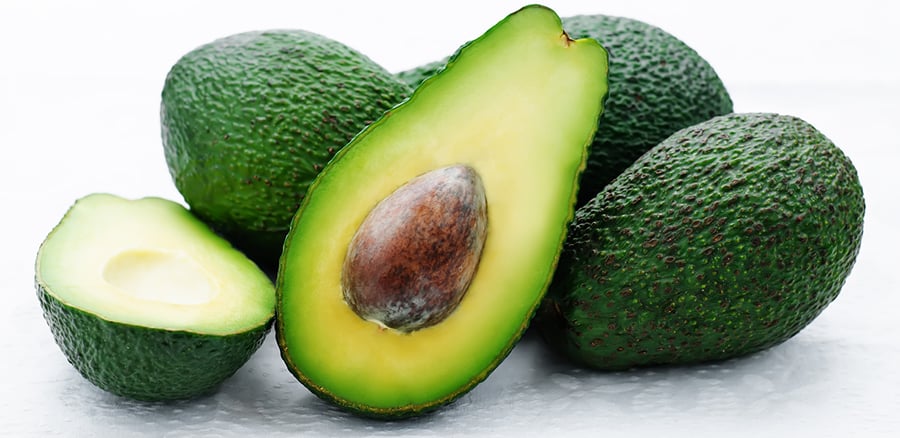
Avocados ile ilgili görsel sonucuAvocados High in fiber, and filled with healthy monounsaturated fat and vitamin E, avocados are available all year. Add them to salads, use in dips, or simply eat out of the shell with a spoon.


fish ile ilgili görsel sonucu


Eat fish, which contain healthy fats, twice a week. Salmon, sardines, and mackerel are great sources of heart healthy omega-3 fatty acids


domates ile ilgili görsel sonucu


A source of vitamin C and lycopene, a potent antioxidant, tomatoes stimulate immune function and help fight chronic diseases


yogurt ile ilgili görsel sonucu


A protein powerhouse, yogurt contains calcium to protect and strengthen bones and also has beneficial bacteria that are important for digestive health. Look for Greek yogurt, which delivers twice the protein of regular yogurt, plus a rich, tangy taste


beans ile ilgili görsel sonucu


A great source of protein and fiber, swap beans for meat to make one or two meatless meals per week. If you use canned beans, rinse
them well to remove some of the sodium.


Nuts ile ilgili görsel sonucu


Packed with protein, fiber and heart-healthy fats, a handful of nuts makes a good snack. Or, add a small amount of sesame or sunflower seeds to salads or toss them with roasted vegetables.


Wine ile ilgili görsel sonucuWine contains powerful antioxidants that come from grape skins and seeds and has been shown to reduce the risk of most diseases of aging. Mediterranean Diet.Enjoy up to one glass a day for women and two for men to help prevent strokes. If you’re not a wine drinker, have a glass of 100% grape juice.


Whole Grains ile ilgili görsel sonucuPacked with nutrients, fiber and protein, whole grains contain “good” carbs and are an important choice for healthy eating. Learn to cook popular Mediterranean whole grains such as barley, brown rice, bulgur, whole wheat couscous, and farro, for salads and side dishes.

23 Temmuz 2018 Pazartesi

Mediterranean Diet Question-Answer


Mediterranean Diet Basics

Q: Why is it called “Mediterranean?”

A: This way of eating is typical of the region surrounding the Mediterranean Sea, in countries like Spain, France, Italy, Egypt, Morocco, Syria, Malta, Tunisia, Turkey, Algeria, Albania, Greece, Israel, Croatia, Libya, and Lebanon

Q: Is it really a “diet” – will I be hungry all the time?  

A: The Mediterranean diet (or Med Diet as it’s often called) is more than a diet; it’s a lifestyle approach to healthy eating. It features fruit, vegetables, fish, beans, nuts and whole grains as well as other ingredients such as olive oil and wine that have been shown to promote good health.

Q: How can I follow the Med Diet? 

A: It’s easy and filled with healthy foods that taste great. Just follow a few easy tips such as these:  Choose healthy fats like those found in olive oil, nuts, peanuts, avocados, and fish.  Base every meal around fruits, vegetables, whole grains, beans, nuts, herbs and spices.  Choose lean protein sources like fish, poultry, and beans more often than red meat.  Enjoy yogurt and small portions of cheese daily. Drink wine in moderation (up to two glasses per day for men and one glass per day for women).

Q: Why should I follow the Mediterranean Diet? 

A: Studies show that people who eat a Mediterranean Diet have lower rates of heart disease, certain cancers, diabetes, obesity, and Alzheimer's disease as well as lower blood pressure and cholesterol levels. Even better, following the Mediterranean Diet may help you live longer— so eat up!

Common Myths

”The Mediterranean Diet is just another fad diet.”

Wrong! The Mediterranean Diet is a lifestyle; it’s a sustainable way of eating; it’s consistently found to promote good health AND decrease chronic disease risk.


“The Mediterranean Diet is a relatively new way of eating.” 

Leading nutrition scientists have been intensely studying the eating habits of Mediterranean people for more than 60 years. It all started when Ancel Keys, the famous researcher and father of the Mediterranean Diet, discovered, in the 1940s, that people who ate a Mediterranean-style diet had very low rates of heart disease and were living longer than people in Northern Europe.

“The Med Diet consists of hard-to-get, foreign foods.”

The Mediterranean Diet Pyramid is filled with foods most people eat every day, like produce, yogurt, milk, cheese, and seafood. The biggest difference between the Med Diet and the typical American diet is the frequency certain foods are eaten. Foods from the plant kingdom – fruits, vegetables, grains, beans, and nuts – are at the core, while foods like sweets and meats are eaten less often and in smaller amounts.

 “Meats or sweets are not allowed in the Mediterranean Diet.” All foods fit in the healthy Mediterranean eating pattern. Moderation is key, but there’s no reason to eliminate entire food groups or completely cut out your favorite foods.

“I can eat whatever I want on the Mediterranean Diet.”

While it’s true that all foods fit in the Mediterranean Diet, portion size and balance are still key in the Mediterranean Diet – and any other healthy, balanced eating pattern for that matter.

The Science Behind The Mediterranean Diet

It has been clear for decades that the Mediterranean Diet offers one of the healthiest eating patterns on earth. But why is it so healthy?

Is it the olive oil? The abundance of leafy greens? The lack of 24-ounce steaks?

Although research continues to analyze individual foods, it also repeatedly shows that a healthy diet is much more than the sum of its nutrient parts.

 One early study of the “whole diet” approach was published in 1995 by Antonia Trichopoulou, Walter Willett, Frank Sacks, and others, in which the original Oldways Mediterranean Diet Pyramid was given center stage.


The study documented the health benefits of a diet “characterized by abundant plant foods (fruit, vegetables, breads, other forms of cereals, potatoes, beans, nuts, and seeds) fresh fruit as the typical daily dessert, olive oil as the principal source of fat, dairy products (principally cheese and yogurt), and fish and poultry consumed in low to moderate amounts, zero to four eggs consumed weekly, red meat consumed in low amounts, and wine consumed in low to moderate amounts, normally with meals.” In subsequent years the body of scientific evidence supporting the healthfulness of the traditional Mediterranean Diet has continued to grow.


Live a longer, healthier life with the Mediterranean Diet

The Med Diet can help you:

  • Lengthen Your Life 
  • Prevent Asthma 
  • Fight Certain Cancers 
  • Protect From Diabetes 
  • Keep Depression Away
  • Prevent Chronic Diseases
  • Nurture Healthier Babies 
  • Ward off Parkinson’s Disease
  • Safeguard from Alzheimer’s Disease
  • Aid Your Weight Loss and Management Efforts
  • Lower Risk of Heart Disease and High Blood Pressure